Are we fighting the wrong war? Mike Steger examines Trump, Washington, Hamilton, and why leadership, national purpose, and the American System matter heading into the 2026 midterms.
Trump cut a diesel deal with Putin and told Zelensky to stop hitting refineries. Zelensky went to thank King Charles instead. The same week, Bessent told the IMF America is done playing by globalist rules.
Replay now available. Join us LIVE next Tursday! Days after Trump said Ukraine needs a new president, Zelensky ran home to London. Barbara and Susan expose Europe's drive for war and censorship, LIVE today at 11am Eastern.
This episode, hosted by Bruce Director with an introduction by Tony Papert, dives into epistemology—the study of knowledge—emphasizing its critical importance in understanding politics, economics, and science. Bruce revisits Lyndon LaRouche's 2005 paper, shedding light on complex subjects like current history, economics, and biological phenomena, using various examples such as Trump's Middle East policy and the Ukraine-Russia conflict. The talk concludes with insights into Dirichlet's Principle and its application across different disciplines, including physics, biology, and art, urging us to rethink our foundational assumptions about how we know what we know.
00:00 Introduction and Overview 00:55 Understanding Epistemology 05:05 Examples from Current History: Trump's Middle East Trip 12:15 Examples from Current History: Ukraine-Russia Crisis 17:21 Economic Insights: The Failure of Globalization 23:47 Biology and the Nature of Life 36:06 Physics and the Solar System 41:20 Cognition and Music 54:25 Dirichlet's Principle Explained 01:10:40 Conclusion and Q&A
Philosopher and expert in anti-entropic science (dynatropy), Cusa and Leibniz. 50 year collaborator of Lyndon LaRouche. Author of “Riemann for Anti-Dummies.” Classical double bass player.
Founding member of the LaRouche movement in the 1960s. Former editor of LaRouche’s writings and EIR magazine. Regular host of our Saturday class series.
America went from candles and the horse and buggy to telephones, cars and airplanes, in one lifetime. Bob Ingraham shows how tariffs and Hamiltonian credit did it, and why the same tools, back in play today, can do it again.
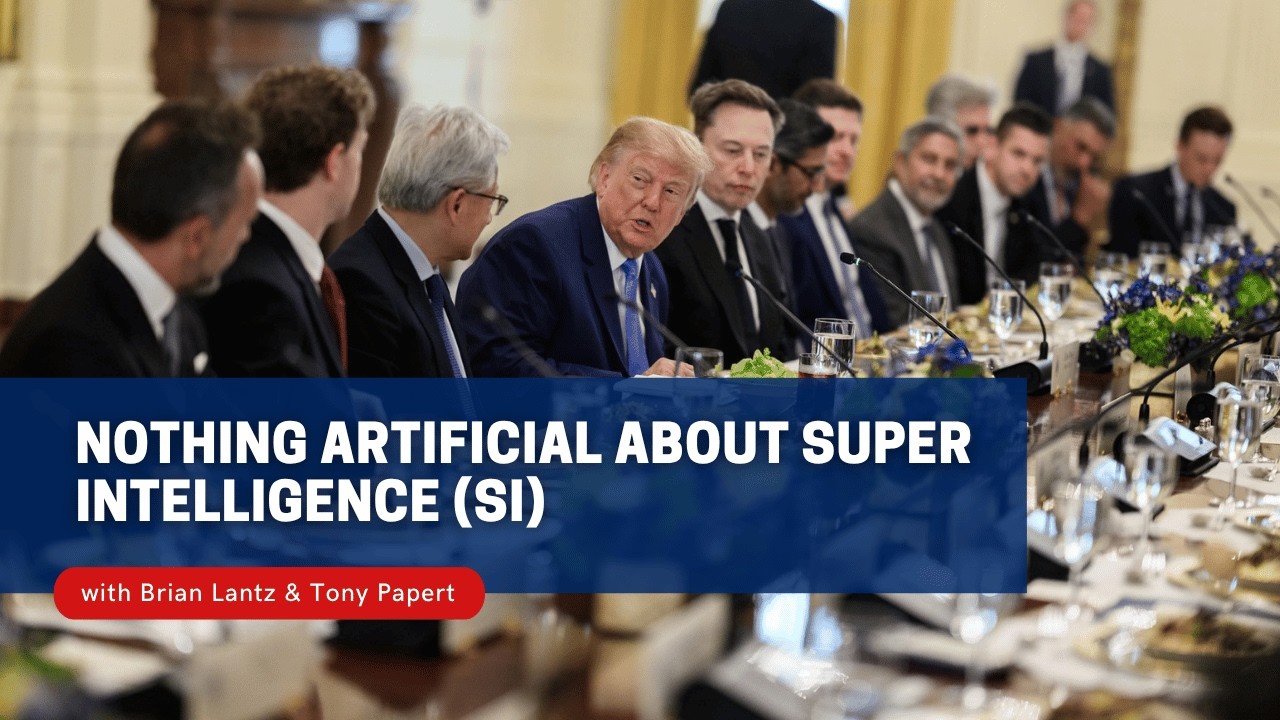
Why “super” and not “artificial”? Brian Lantz shows SI at work in an Arizona copper mine, aimed at a nuclear-powered Moon, and in service of new forms of human creativity. Watch the full class.
Two conductors. One score. Two opposite ideas of man. This week's Class puts Furtwängler against Toscanini — and tonal against atonal. The fight over your ear is the fight for your children's future.
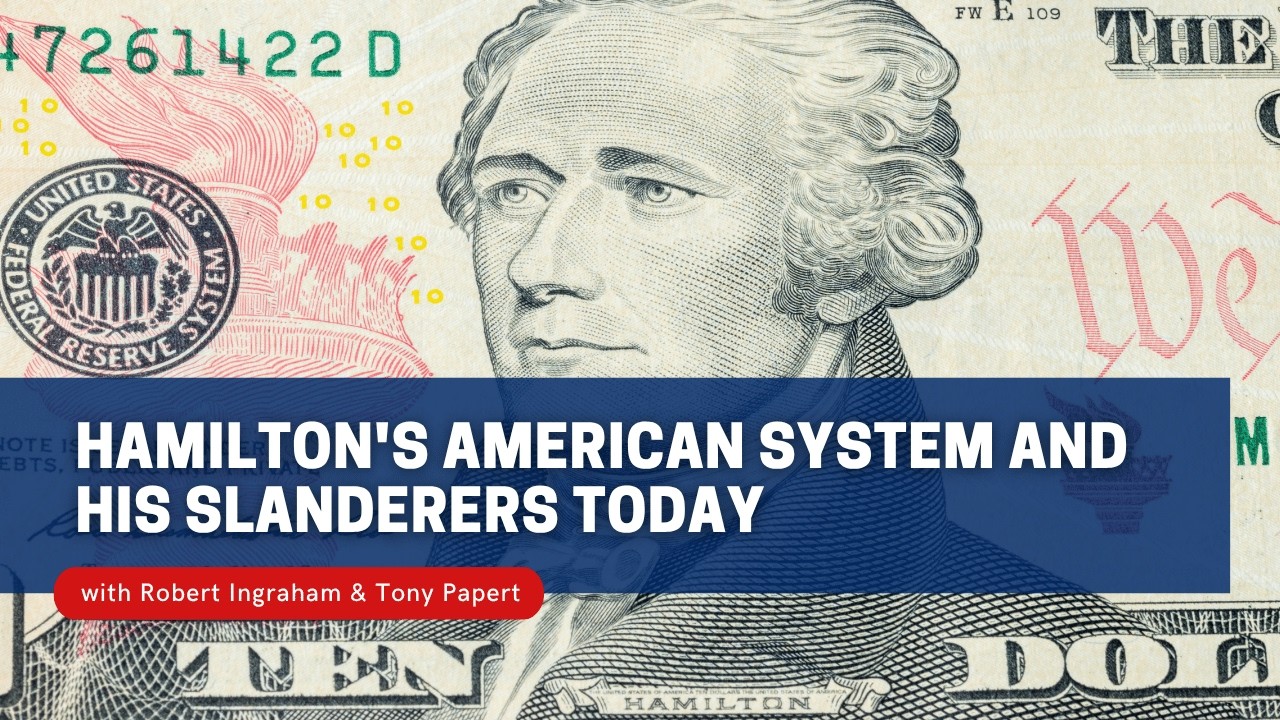
Bob takes on the slanders against Alexander Hamilton and the British-finance axioms most Americans still carry — and why Hamilton's bank is not the Fed.