

🔥 The Promethean Weekly · September 7–13, 2026
$5,000 price on the midterms. AfD cracked Europe’s firewall. Dallas named the fight. Seven weeks out — and London’s map just got redrawn.
$5,000 price on the midterms. AfD cracked Europe’s firewall. Dallas named the fight. Seven weeks out — and London’s map just got redrawn.

Bruce Director digs into your comments from the Aug 29 class: why the British System is inherently entropic, why no equation can predict a creative discovery, and how frontier science backs the American System’s idea of man.


Today's LIVE is over, check out the replay. Susan Kokinda was on the Midterm Convention floor this week. Today she wraps the convention and the week’s board LIVE — AfD firewall, the $5k dividend, Bessent’s ovation.

Artemis II returned humans to the Moon for the first time since 1972. With nuclear power initiatives, a lunar landing targeted for 2028, and a revitalized space industrial base, America is entering a new golden age of space exploration and growth.


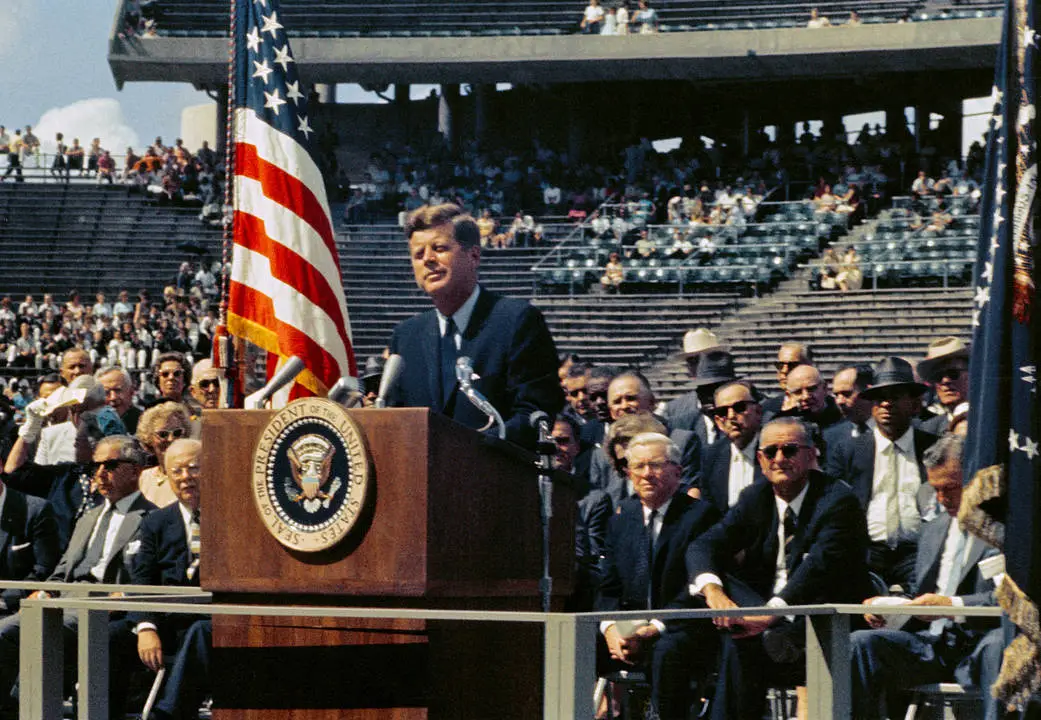
In 1961, President John F. Kennedy stood before Congress and the nation with a daring vision: to land a man on the Moon and return him safely to Earth before the end of the decade. “We choose to go to the Moon,” he later declared at Rice University, “not because it is easy, but because it is hard.” That bold challenge ignited the Apollo program, uniting America’s best energies and skills in a quest that captured the world’s imagination. In July 1969, Neil Armstrong and Buzz Aldrin took those historic first steps on the lunar surface, planting the American flag and proving that America could achieve the extraordinary on behalf of all mankind. Apollo 17 in December 1972 marked the last time humans walked on the Moon—until the Artemis era.
Although America’s lunar dream never fully faded after Apollo, it faced repeated efforts over the decades to stifle or redirect it. The premature end of Apollo stemmed in part from a rising Malthusian environmental anti-growth agenda that emphasized limits to resources and population pressures over bold expansion. This mindset, combined with deindustrialization policies that weakened America’s manufacturing and technological base, contributed to budget constraints and shifting national priorities that halted sustained lunar exploration.
Later initiatives encountered years of delays, soaring costs, and outright attacks on ambitious human spaceflight programs. The Constellation program, for example, was canceled under the Obama administration, which prioritized environmental and climate agendas and famously dismissed a return to the Moon with the response “Been there, done that.” Instead, the focus shifted toward asteroid initiatives and a “flexible path” approach emphasizing deeper-space targets, commercial partnerships for cargo-crew transport over near-term lunar return. These policy choices repeatedly delayed America’s return to the Moon.
President Donald J. Trump has firmly rejected this environmentalist agenda of limits and scarcity. He has consistently championed space exploration as a powerful driver of American manufacturing, technological innovation, and broad-based economic development. By prioritizing bold human spaceflight and commercial partnerships, Trump’s leadership has revitalized America’s industrial base, creating high-skilled jobs, spurring advancements in rocketry, materials science, and life-support systems, and restoring national confidence in large-scale engineering achievements.
A key pillar of this vision is the Trump administration’s strong commitment to the development of space nuclear power for the Moon. Through a December 2025 Executive Order on Ensuring American Space Superiority and follow-on guidance released in April 2026 (the National Initiative for American Space Nuclear Power), the administration has directed NASA, the Department of Energy, and the Department of Defense to accelerate the design and deployment of fission surface power systems. The goal includes safely deploying nuclear reactors in orbit as early as 2028 and delivering a functional lunar surface reactor by 2030. These systems will provide reliable, continuous kilowatt-level power—essential for overcoming the Moon’s long nights, operating in permanently shadowed craters, and supporting a sustained lunar outpost, habitats, rovers, and scientific operations. This initiative rejects reliance on intermittent solar power alone and instead embraces nuclear energy as a cornerstone for long-term lunar economic development, resource utilization, and eventual Mars missions—unlocking new frontiers of growth and American leadership in space.
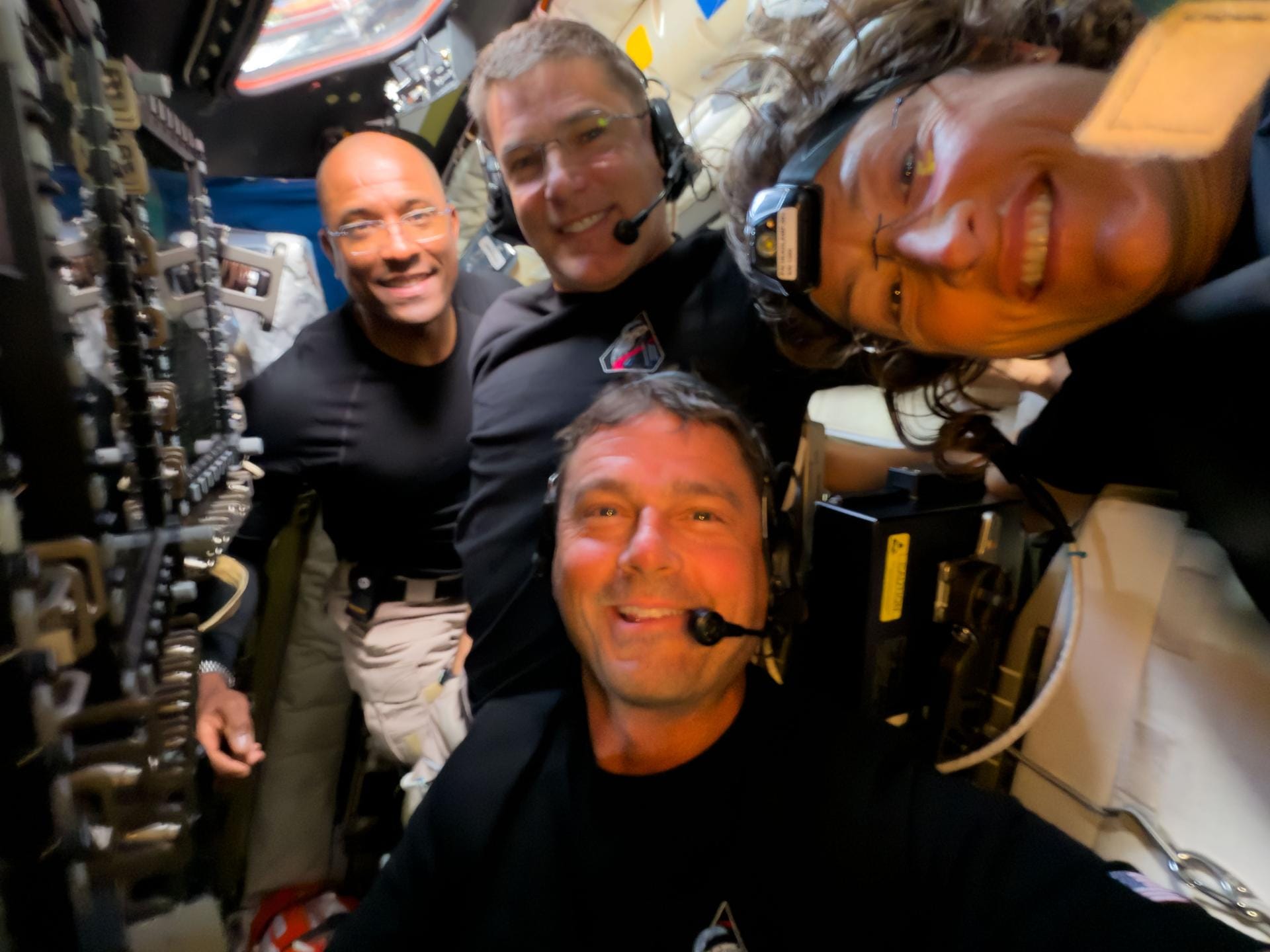
On April 1, 2026, NASA’s Artemis II mission launched four astronauts aboard the Orion spacecraft atop the powerful Space Launch System rocket from Kennedy Space Center. After a flawless 10-day journey, the crew—Commander Reid Wiseman, Pilot Victor Glover, Mission Specialist Christina Koch, and Canadian Space Agency astronaut Jeremy Hansen—splashed down safely in the Pacific Ocean off San Diego on April 10, 2026. This marked the first time humans had flown to the Moon and returned to Earth since Apollo 17.
Artemis II served as a critical test flight, proving Orion’s systems for deep-space travel, life support, navigation, communication, and high-speed re-entry. The mission successfully bridged Apollo’s legacy to the revitalized Artemis program.
Groundbreaking Science: New Discoveries About the Human Body in Deep Space

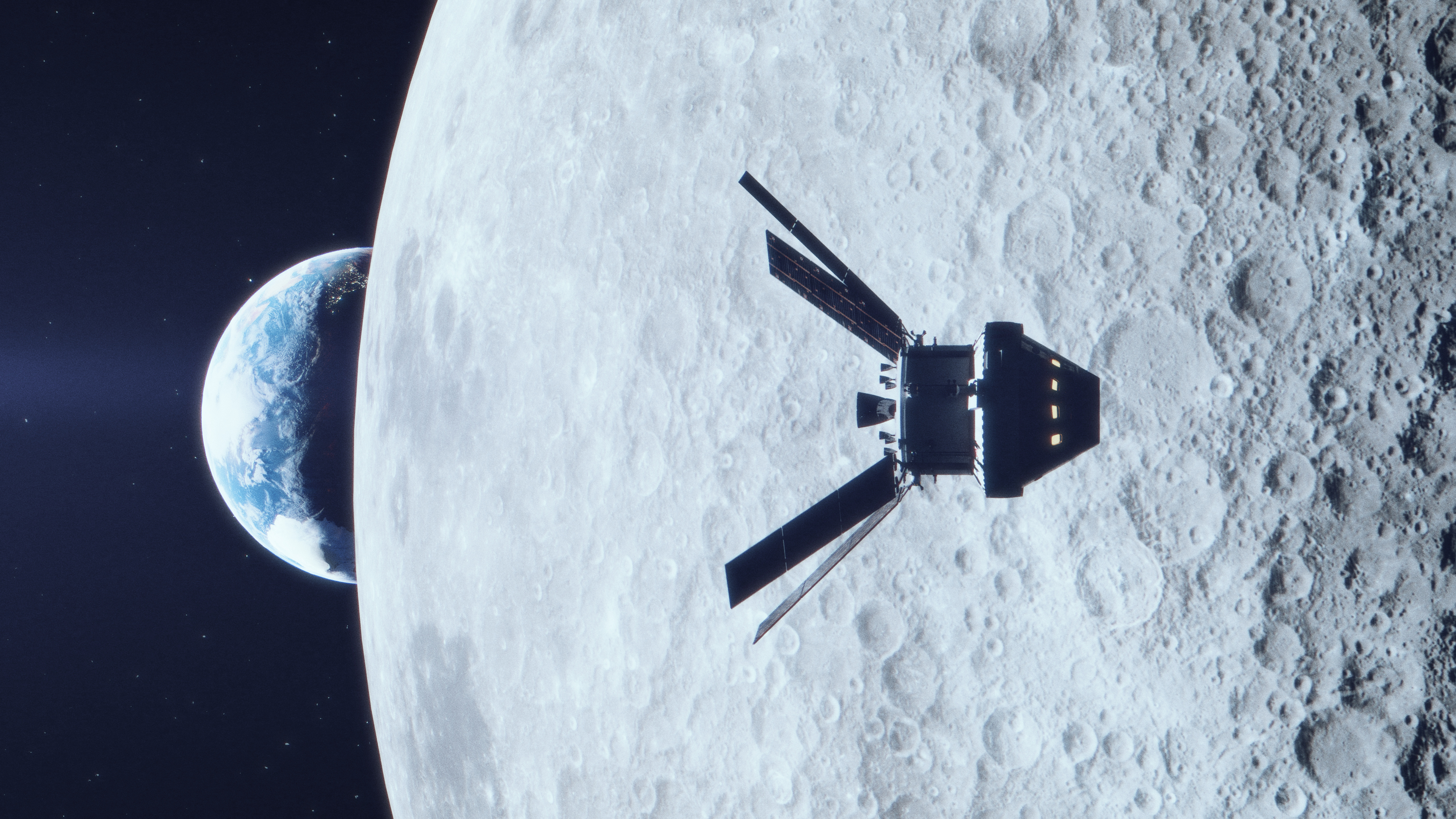
Beyond systems validation, the crew conducted important experiments during the lunar flyby that are already paving the way for new discoveries about the human body’s response to deep-space radiation, prolonged microgravity, and cosmic conditions. These studies are advancing critical technologies in radiation shielding, biomedical monitoring, and life-support systems—essential breakthroughs that will protect future astronauts and yield valuable spin-off benefits for medicine and industry on Earth.
The crew experienced sights unseen by human eyes in generations. On April 6, they looped around the far side of the Moon and set a new record for the farthest humans have ever traveled from Earth—over 252,756 miles. They came within about 4,000 miles of the lunar surface, capturing stunning images of ancient craters, rugged terrain, and lava flows. For roughly 40 minutes on the far side, they were completely out of contact with Earth—alone with the cosmos.
In some of the most fascinating moments of the mission, the Artemis II crew described the spectacular views of the Moon during their historic flyby.
Mission Specialist Christina Koch was struck by the tiny, bright new impact craters. “When you look at the Moon, something I’ve never seen in photographs before is really apparent: All the really bright new ones are super tiny… What it really looks like is a lampshade with tiny pinprick holes and the light shining through.”
Pilot Victor Glover highlighted the ruggedness of the terminator—the line separating the lighted and unlighted sides of the Moon: “There are little islands—there are islands of terrain out there that are completely surrounded by darkness, which indicates some real variation in terrain… very high ridges and very deep canyons.” He later added that it felt like “walking around down there on the surface, climbing and off-roading on that amazing terrain.”
The crew spotted subtle colors in the lava plains and highlands, and they observed far-side features that no prior human eyes had seen up close.
Commander Reid Wiseman described the views as “absolutely spectacular, surreal.”
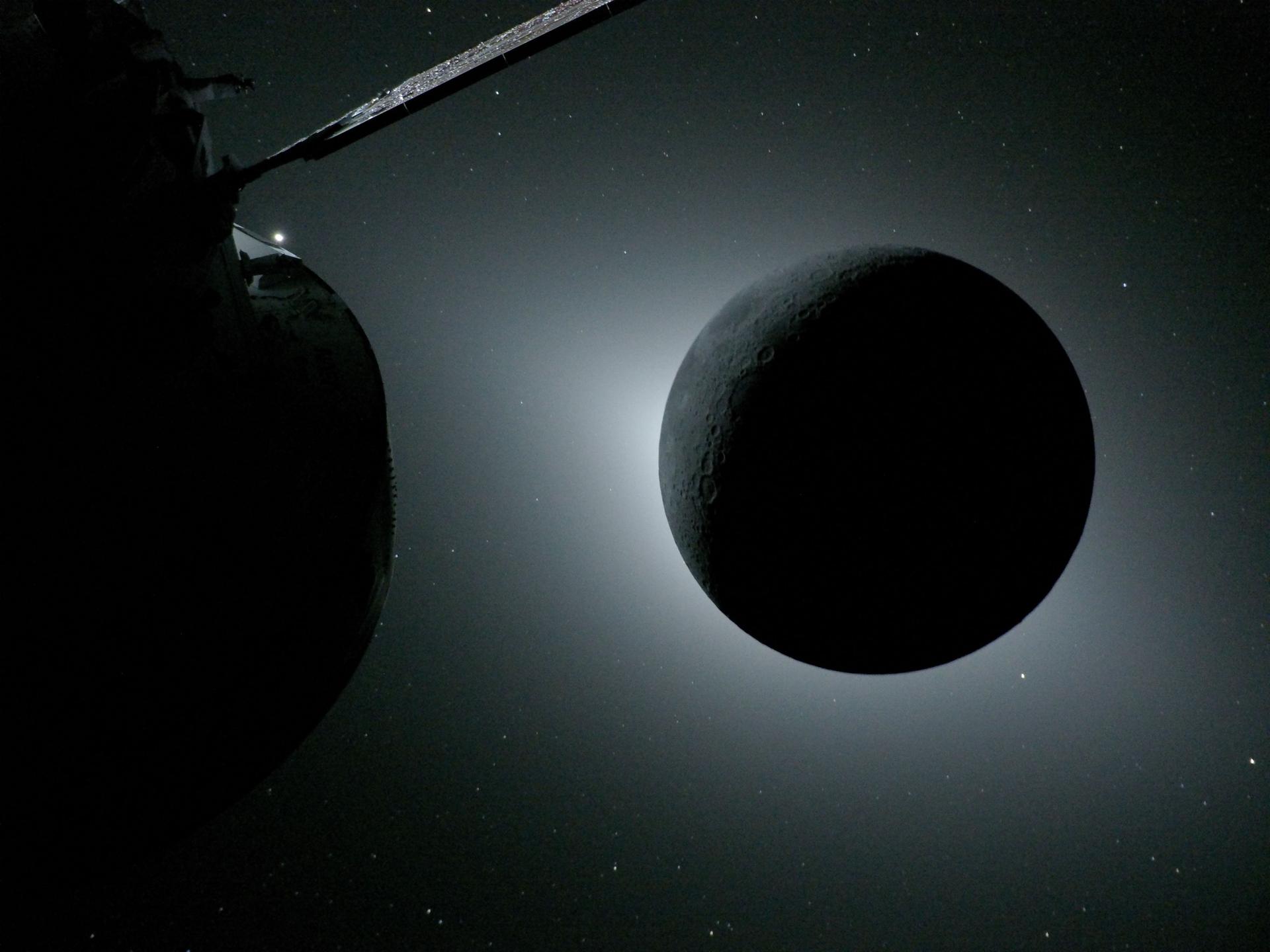
Glover captured the moment the Sun slipped behind the Moon during the solar eclipse: “The Sun has gone behind the Moon, and the corona is still visible… it’s bright and creates a halo almost around the entire Moon… When you get to the Earth side, the earthshine is already showing. The Earth is so bright out there and the Moon is just hanging in front of us, this black orb… We just went sci-fi.”
In a deeply moving personal moment, the crew requested that a bright lunar crater be named “Carroll” in honor of Wiseman’s late wife, Carroll Taylor Wiseman—a lasting American tribute on the Moon.
President Donald J. Trump personally congratulated the crew during the mission, praising their achievement and declaring that they had made history and made all of America proud. Under President Trump’s leadership, the Artemis program has been restored with fresh urgency and vision—echoing Kennedy’s inspirational call decades ago. Trump’s commitment has infused the program with a clear rejection of the old environmentalist constraints in favor of American expansion into space, while accelerating manufacturing and economic growth through renewed investment in the space industrial sector.
Recent overhauls have adjusted the cadence for greater safety and sustainability. Following Artemis II’s success, NASA refined the program: Artemis III, now scheduled for 2027, will no longer attempt a lunar landing. Instead, it will conduct essential tests in low Earth orbit, including rendezvous and docking of Orion with commercial Human Landing Systems from SpaceX and/or Blue Origin, along with spacesuit operations and integrated systems validation. This prepares the way for the first crewed lunar landing since 1972—now targeted for Artemis IV in 2028 near the Moon’s south pole, with potential for additional landings that year and a sustained pace of missions thereafter.
NASA Administrator Jared Isaacman captured the momentum perfectly, both in his post-mission remarks and in a new workforce initiative. “We’ve learned a lot from Artemis II. Now we’re going to apply it. This is the Golden Age of Space Exploration.” In conjunction with the U.S. Office of Personnel Management, Isaacman announced the launch of the new NASA Force website, opening applications for high-impact technical roles. He urged talented engineers, technologists, and innovators across the nation to apply: “Our successful Artemis II mission has inspired the world and generated tremendous interest to join our workforce to be part of the Golden Age of innovation and exploration.” Isaacman emphasized that NASA is actively recruiting early- to mid-career experts to help achieve world-changing missions and maintain U.S. leadership in space.
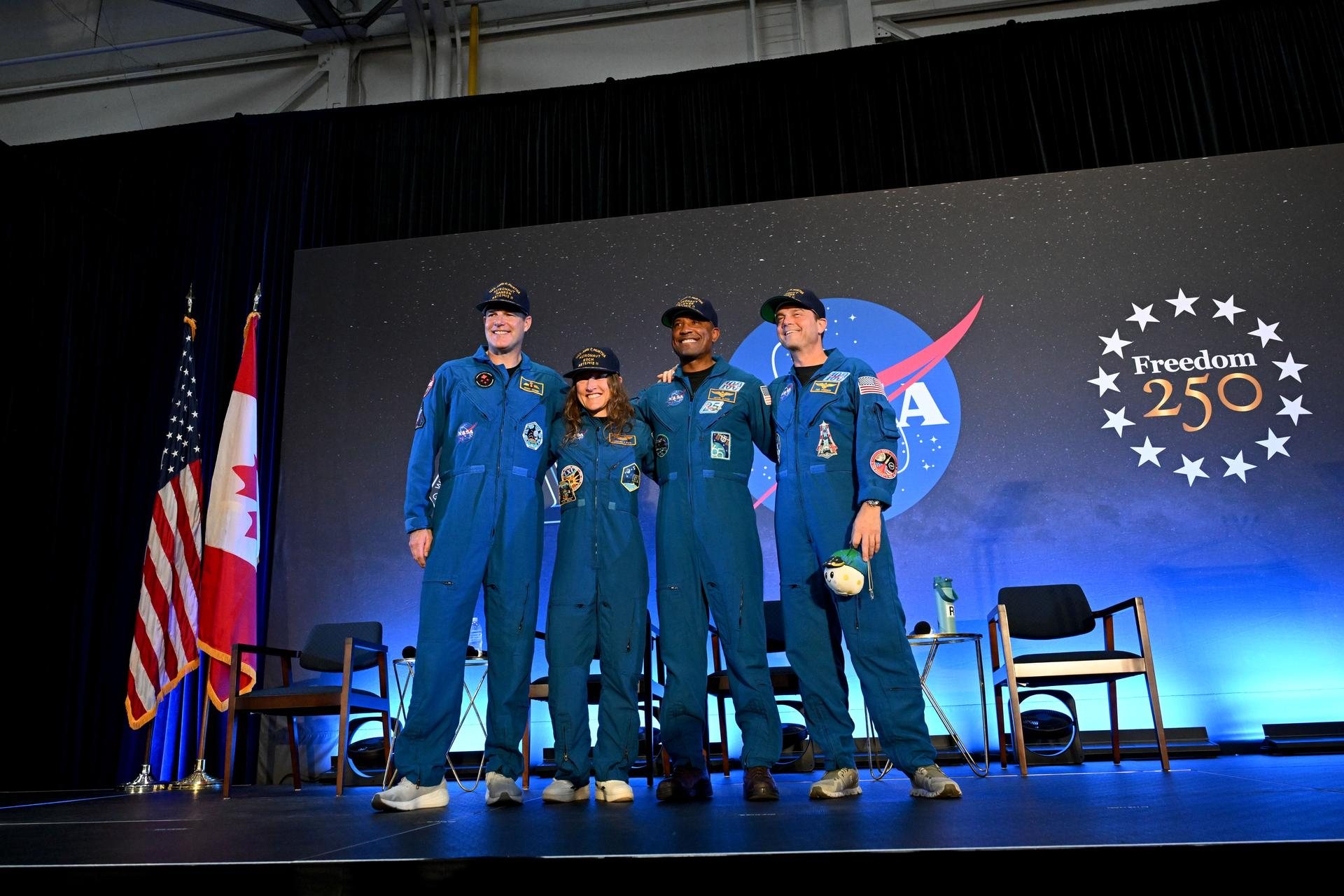
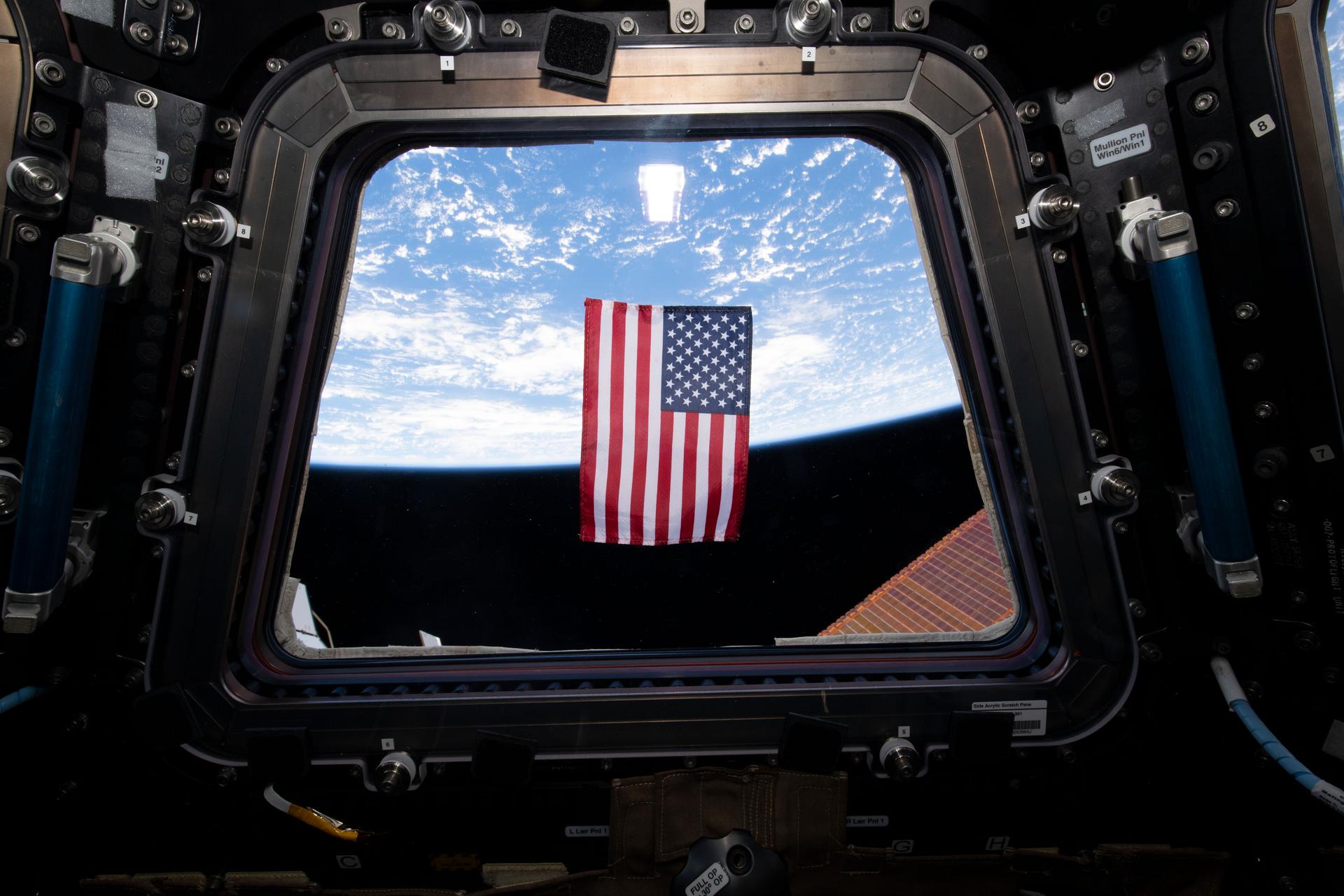
This progress arrives at a perfect moment. As the United States prepares for the grand celebration of its 250th anniversary of independence on July 4, 2026, Artemis reminds us of the enduring American spirit of discovery, courage, and innovation that defined our founding. From Kennedy’s Apollo vision through decades of challenges to Trump’s revitalized Artemis program, the nation is once again reaching for the stars with confidence and unity.
The Moon is calling. America is answering—stronger, bolder, and ready for the next 250 years of greatness, with a new generation inspired to join the journey. Let’s keep looking up.
We don't run ads on our website. We don't take corporate sponsors.
Our work is funded almost entirely by readers and viewers like you. For just $10 a month, you directly support the writers and editors bringing you the truth about what's really happening in our fight to rebuild the nation.
Become a paid subscriber and join us in this battle.

Bruce Director digs into your comments from the Aug 29 class: why the British System is inherently entropic, why no equation can predict a creative discovery, and how frontier science backs the American System’s idea of man.

Cable news is arguing eggs, beef, gas, and Iran. Bruce Director spent Saturday night on the real midterm question: American System vs. British System — two flavors of the same entropy, and nine weeks to pick a future.

Chatbots dominate the AI argument. Brian Lantz spent Saturday night on the other kind — robots, machine shops, and factory floors — and why manufacturing, not the data center, is where the country actually gets richer.


Four new nuclear reactors went critical in a single month — America's first in 40 years. Brian Lantz on the factory boom the media won't name, and the apprenticeship programs that pay you to help build it. The hardest problem was never the physics.
Get our free newsletter. Zero Spam.