Are we fighting the wrong war? Mike Steger examines Trump, Washington, Hamilton, and why leadership, national purpose, and the American System matter heading into the 2026 midterms.
Trump cut a diesel deal with Putin and told Zelensky to stop hitting refineries. Zelensky went to thank King Charles instead. The same week, Bessent told the IMF America is done playing by globalist rules.
Replay now available. Join us LIVE next Tursday! Days after Trump said Ukraine needs a new president, Zelensky ran home to London. Barbara and Susan expose Europe's drive for war and censorship, LIVE today at 11am Eastern.
A Memorial Day Note — A Pause, A Thank You, and What's Next
No class this Memorial Day weekend. A short note on the origins of the holiday, a thank you to our supporters, and a look at next Saturday — Bruce Director returns.
President Donald Trump and Vice President JD Vance participate in a wreath-laying ceremony at the Tomb of the Unknown Soldier on Memorial Day, Monday, May 26, 2025, at Arlington National Cemetery in Arlington, Virginia. (Official White House Photo by Emily J. Higgins)
This Memorial Day weekend, a pause — and a thank you.
This weekend we're taking a pause from our usual Saturday Class for Memorial Day. Before we do, a few words.
Memorial Day was born out of the Civil War — the bloodiest chapter in American history, in which more than 600,000 Americans died fighting over whether this republic would survive as a nation founded on the proposition that all men are created equal.
The first official Decoration Day was observed in 1868, when General John Logan called on Americans to decorate the graves of the fallen with flowers each May 30th. But the tradition started earlier than that — in 1865, freed slaves in Charleston, South Carolina gathered to honor Union soldiers buried in unmarked graves on a former plantation.
The holiday has since broadened to honor every American who died in service to the country, from the Revolution to the present. But its origins are worth remembering. Memorial Day exists because real people were willing to die so that the experiment in self-government would not perish from the earth.
That's worth pausing for. Especially now.
Thank you.
We don't say it enough, but we mean it: thank you for being part of this.
Your support — whether you're a paid subscriber, a class attendee, a sharer of our work, or simply someone who reads every Sunday — is what makes this project possible. We aren't backed by a foundation. We aren't chasing virality. We're trying to do something harder: build an informed, organized citizenry capable of meeting this moment.
That work requires you. And you've shown up.
A good week to catch up.
If you've missed a recent class or want to revisit one, the full archive is here:
The classes aren't commentary — they're a real education. The strategic picture, the deeper history behind the present crisis, the ideas that actually move events. If you've been meaning to dig in, the holiday is a good moment.
Next Saturday: Bruce Director returns.
We'll be back next Saturday with Bruce Director leading the class. If you'd like to attend live, you can register here:
If you can't make it live, every class is recorded and added to the archive within a few days, so you won't miss anything.
Take a moment this weekend, if you can. Visit a cemetery. Talk to a veteran. Tell the younger people in your life the actual story of how this country got here, and at what cost.
The republic was paid for in blood. It's still ours to keep — or to lose.
America went from candles and the horse and buggy to telephones, cars and airplanes, in one lifetime. Bob Ingraham shows how tariffs and Hamiltonian credit did it, and why the same tools, back in play today, can do it again.
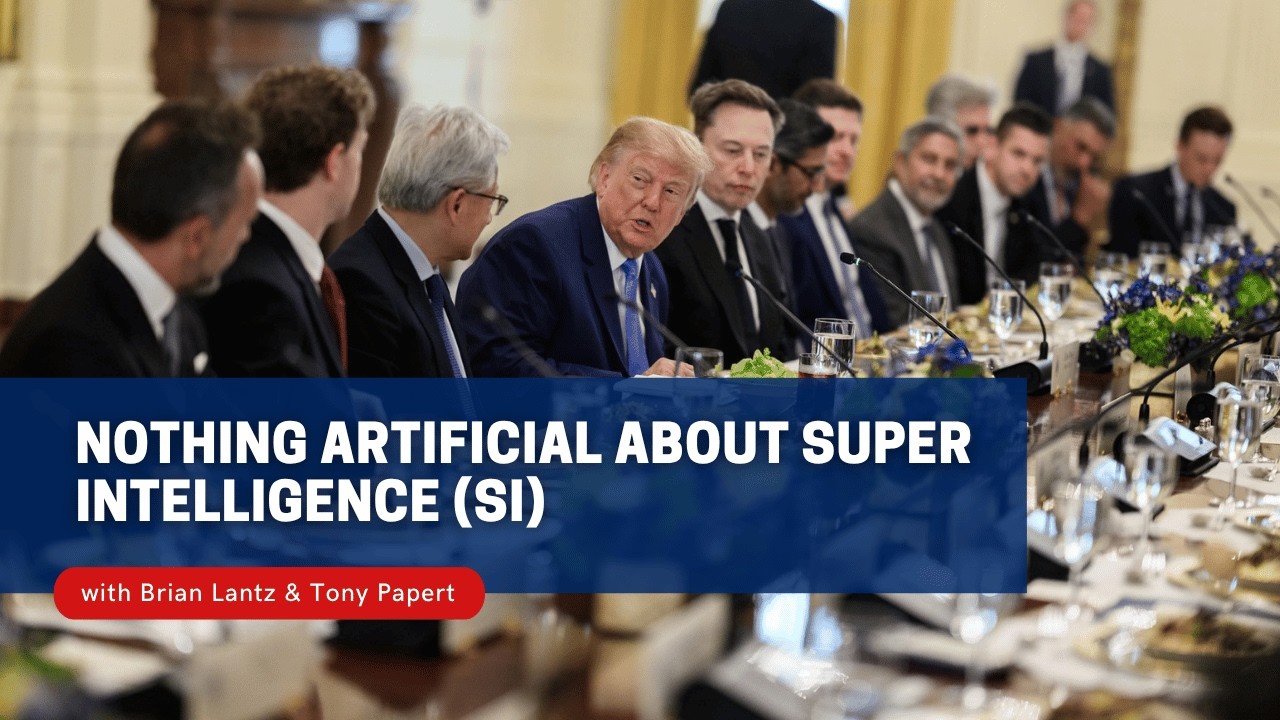
Why “super” and not “artificial”? Brian Lantz shows SI at work in an Arizona copper mine, aimed at a nuclear-powered Moon, and in service of new forms of human creativity. Watch the full class.
Two conductors. One score. Two opposite ideas of man. This week's Class puts Furtwängler against Toscanini — and tonal against atonal. The fight over your ear is the fight for your children's future.
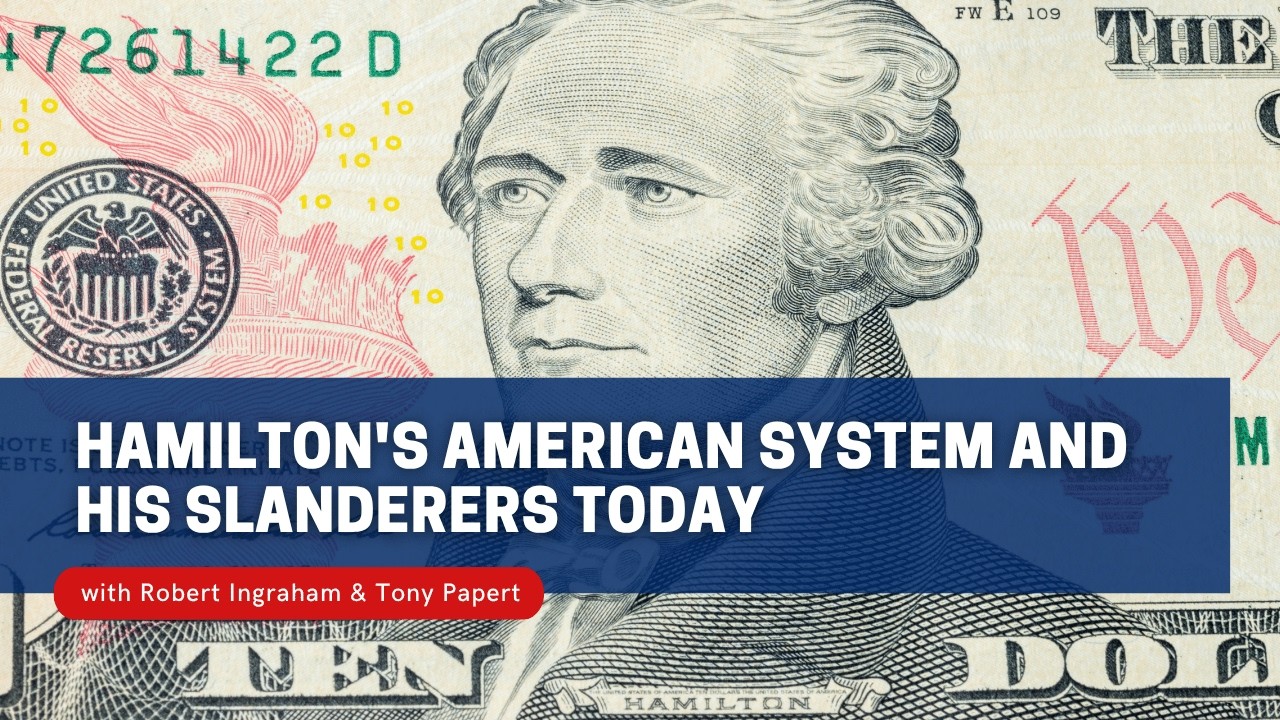
Bob takes on the slanders against Alexander Hamilton and the British-finance axioms most Americans still carry — and why Hamilton's bank is not the Fed.