Iran isn't about Iran. Canada isn't about Canada. China isn't about tariffs. Every fight this week traced back to the same return address — and Trump has found it. Plus Zoomers, Bretton Woods, and Beethoven.
A full-size statue of Beethoven once stood behind the Boston Symphony. Toni Sellars and Mindy Pechenuk on how deep this music ran in 19th-century America — and who spent the next century getting it out.
Physical Economy and Technology Report for September 5, 2024: Two Important Space Events Tomorrow
In this edition we cover several upcoming and important space events, the introduction of space-based cell phone service, humanoid robots in the home, the curtailment of irrigation in California, and the danger posed by continued consolidation of dairy farms.
A Norwegian/American company, 1X Technologies, has just unveiled their second robot, the humanoid Neo, which is designed to work safely in your house, around your kids and pets.
Putting Cell Phone Towers in Space (Direct to Cell Technology)
A Safe and Capable Humanoid Robot in Your Home Next Year?
Water Cut Off to Imperial Valley of California
Dairy Farm Consolidation: the Case of Wisconsin
Upcoming Space Activities
The Polaris Dawn mission discussed in our last report should launch at 3:33 a.m. EDT on September the 6th. On the same day, the Boeing Starliner will undock from the International Space Station and land at White Sands, NM on the 7th at 12:03 a.m. EDT.
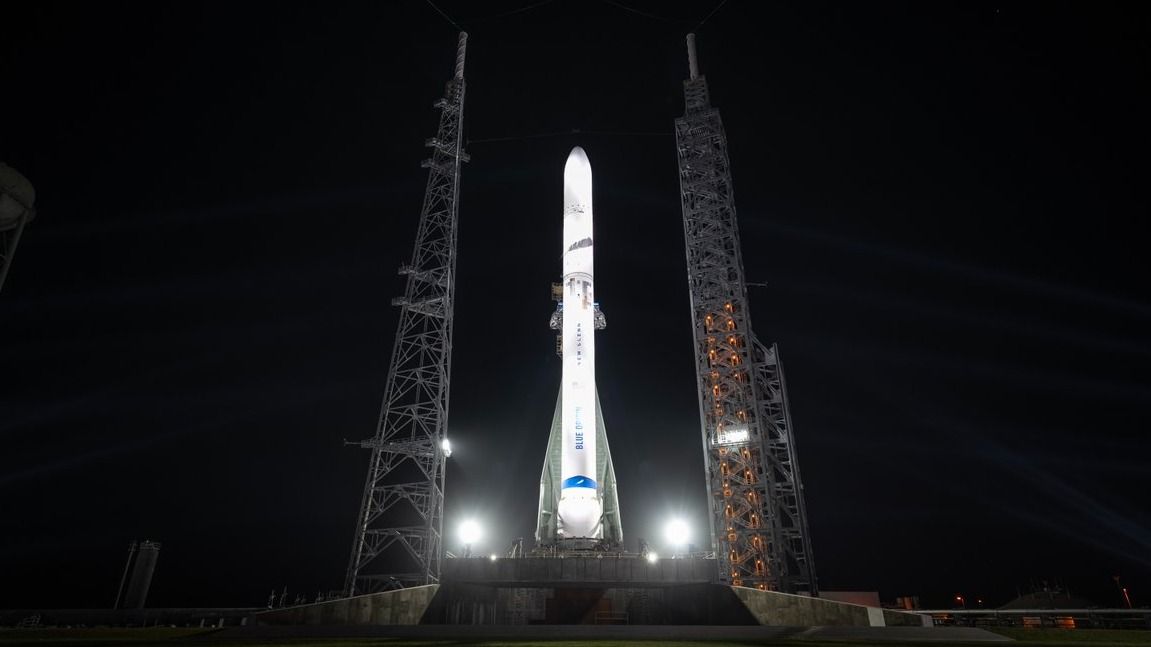
Blue Origin'sNew Glenn reusable rocket system will make its first launch on October 13th carrying a Mars satellite for NASA. See part 2 of the tour.
Meanwhile, all eyes are on the 5th flight test of the SpaceX Starship/Superheavy system. The 5th flight will attempt to demonstrate the landing of both vehicles—the Superheavy at the launch site, and the Starship on a landing barge. As has been the case repeatedly, SpaceX is awaiting FAA approval to launch. It is expected that that approval will be forthcoming and that the launch can take place in September.
Modern science is built from the bottom up — math, then physics, then life, then mind. Every great discovery was made the other way. Bruce Director on how music exposes what your mind can do that no machine ever will — and why it's the key to a new revolution in science.
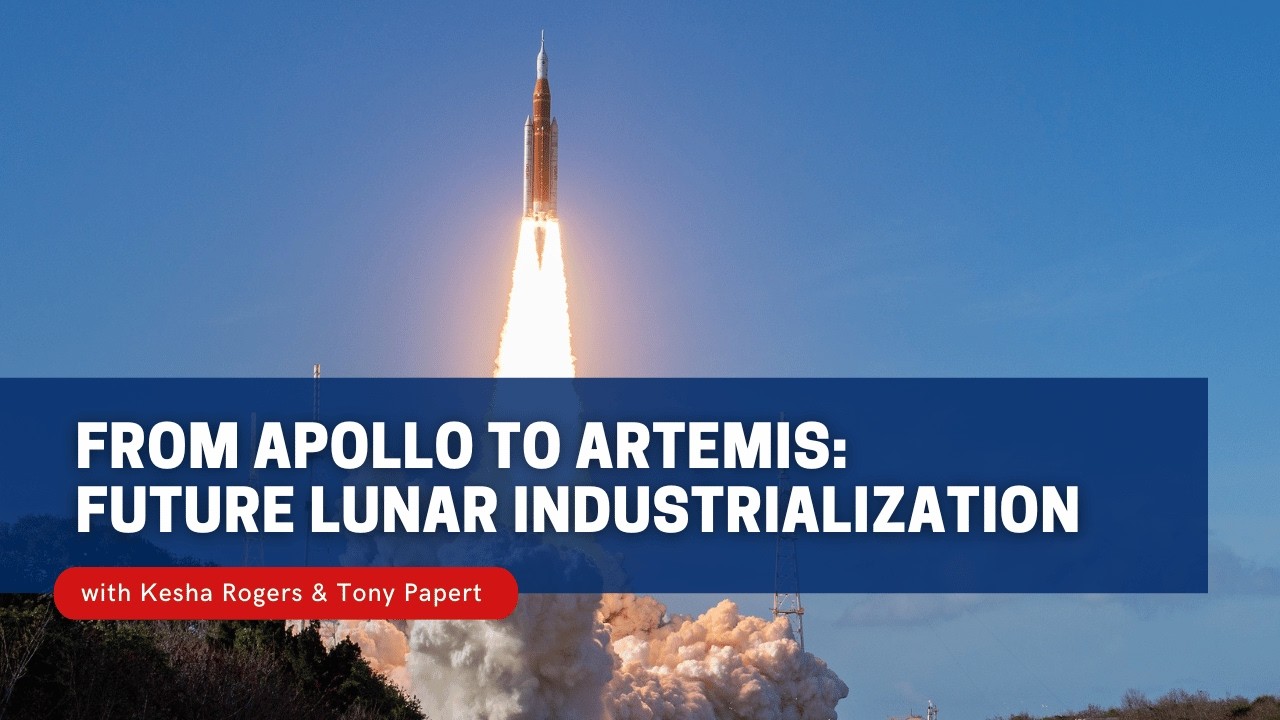
The chip in your phone, the guidance in your car — all of it came from the race to the Moon. Kesha Rogers on how Apollo ignited the digital age, and why Trump's Artemis Moon base is about to do it again.
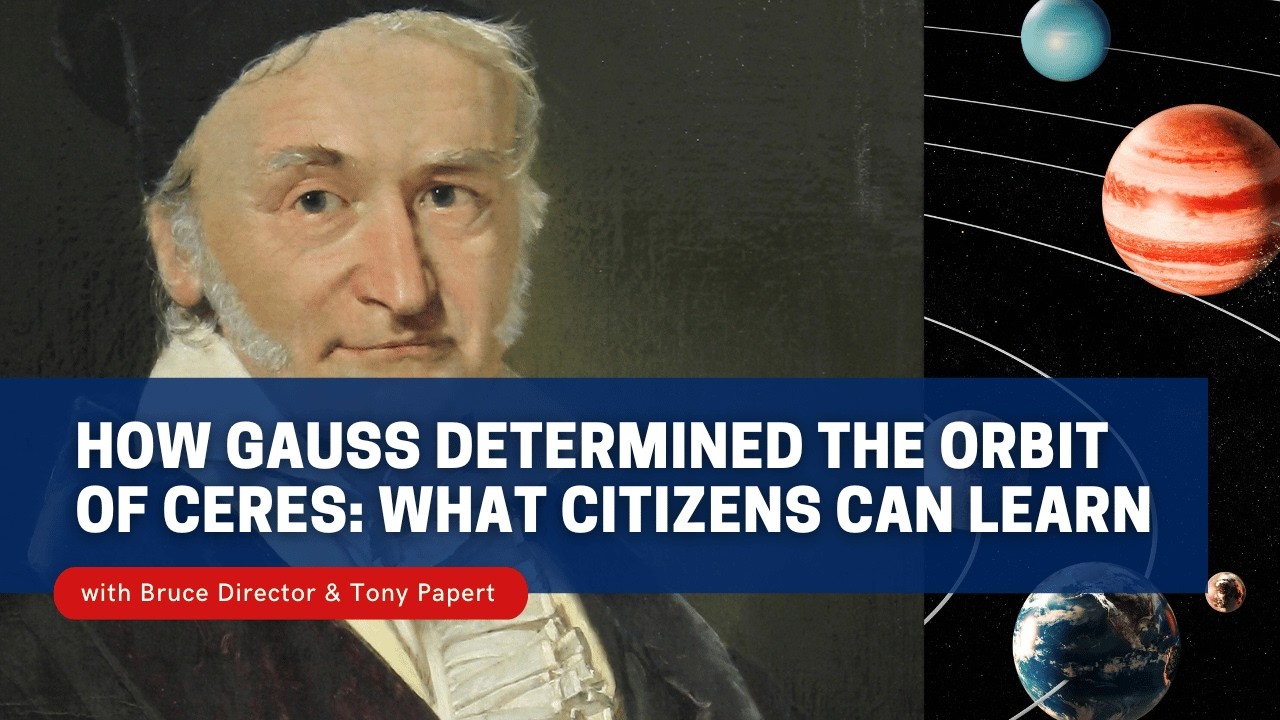
Every leading astronomer in Europe tried to find the lost asteroid Ceres with statistics. Every one failed. An unknown 24-year-old, Carl Gauss, found it from 41 days of data — by refusing to calculate and insisting on principle. Bruce Director on why that method is the cure for the age of AI.