Bob Ingraham shows how Hamilton turned Revolutionary War debt into public credit — and why Bessent's growth fight with the IMF is the same war over who decides America's economic destiny.
Chatham House frets Trump will be “unshackled” after the midterms. Rubio says America is no longer defensive. Susan Kokinda on diesel, Yalta panic, and the executive tools that don’t need Congress.
A new Washington Post report raises questions ahead of the 2026 midterms. Mike Steger examines the officials, political networks, and election preparations behind the headlines.
Join Tony Papert, Bob Ingraham, and Paul Glumaz as they explore the dawn of the Third Christian Renaissance. In this episode, they delve into the historical contexts of previous Christian renaissances, the impact on national sovereignty, and the role of science rooted in Christian principles. Bob outlines the evolution of the sovereign nation-state and its ties to Christian ideals, featuring quotes from historical figures like Dante, Nicholas of Cusa, and Machiavelli. Tony continues by addressing the decline of authentic science over the past century and contrasts it with the original scientific pursuits of Kepler. The discussion culminates with a look forward to a renewed, Christian-based scientific renaissance in our modern era.
00:00 Introduction to the Third Christian Renaissance 02:03 Historical Context of the Christian Renaissance 04:12 The Role of National Sovereignty 06:21 Foundations of the Sovereign Nation State 22:04 The Pilgrims and the Birth of American Ideals 26:59 The Declaration of Independence and the US Constitution 31:44 The Decline and Revival of Science 43:13 Kepler and the Foundations of Modern Physics 51:25 Conclusion and Future Discussions
Founding member of the LaRouche movement in the 1960s. Former editor of LaRouche’s writings and EIR magazine. Regular host of our Saturday class series.
Author, historian, political organizer. Published books on American history, Dante, the global drug trade, the Anglo-Dutch Empire and National Banking. Former Editor at Executive Intelligence Review.
Bob Ingraham shows how Hamilton turned Revolutionary War debt into public credit — and why Bessent's growth fight with the IMF is the same war over who decides America's economic destiny.
Four young organizers took the American System onto Michigan campuses. Hear what Gen Z said, what they found undercover, and the challenge they're putting to you.
America went from candles and the horse and buggy to telephones, cars and airplanes, in one lifetime. Bob Ingraham shows how tariffs and Hamiltonian credit did it, and why the same tools, back in play today, can do it again.
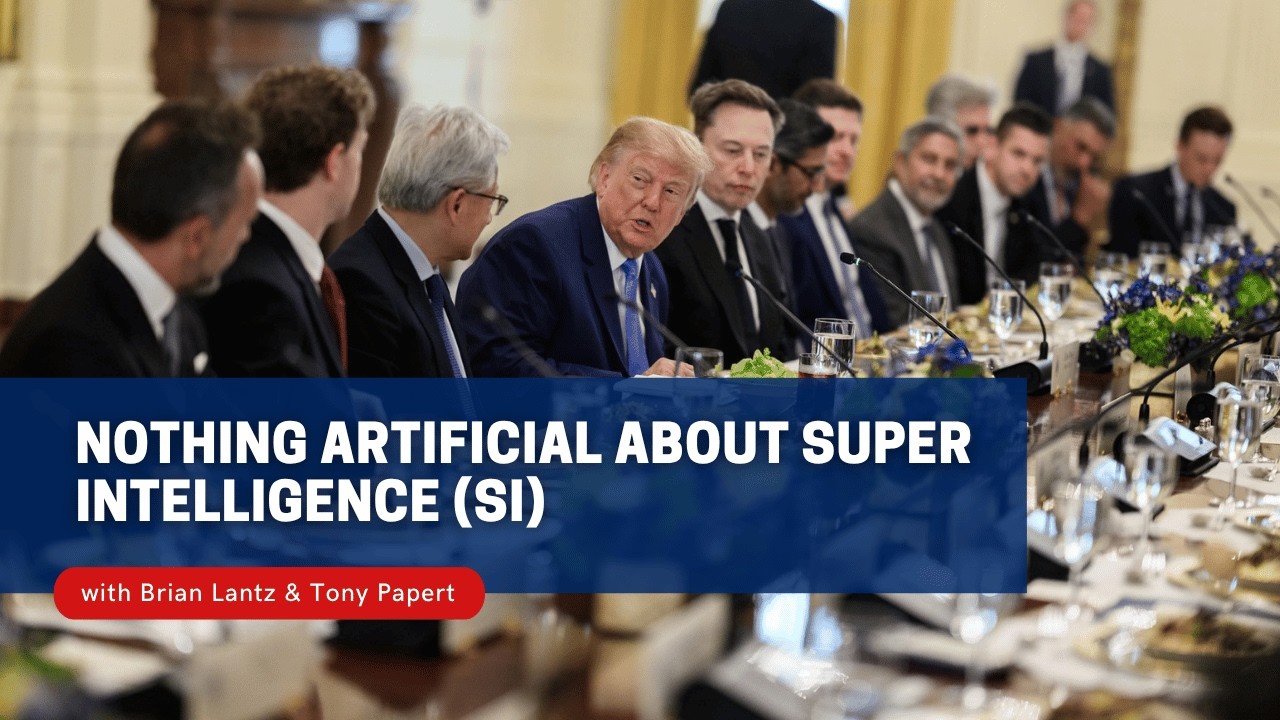
Why “super” and not “artificial”? Brian Lantz shows SI at work in an Arizona copper mine, aimed at a nuclear-powered Moon, and in service of new forms of human creativity. Watch the full class.