Trump and Putin’s diesel deal and Sunday’s energy ceasefire exposed London’s game: Ukraine’s refinery strikes kept fuel prices high before the midterms. Barbara Boyd asks whether a new economic order, built outside London’s markets, is at hand.
Can France chart a new course? Mike Steger examines Le Pen’s economic plan, Macron’s political crisis, and how the spirit of the American Revolution could inspire Europe’s renewal.
America went from candles and the horse and buggy to telephones, cars and airplanes, in one lifetime. Bob Ingraham shows how tariffs and Hamiltonian credit did it, and why the same tools, back in play today, can do it again.
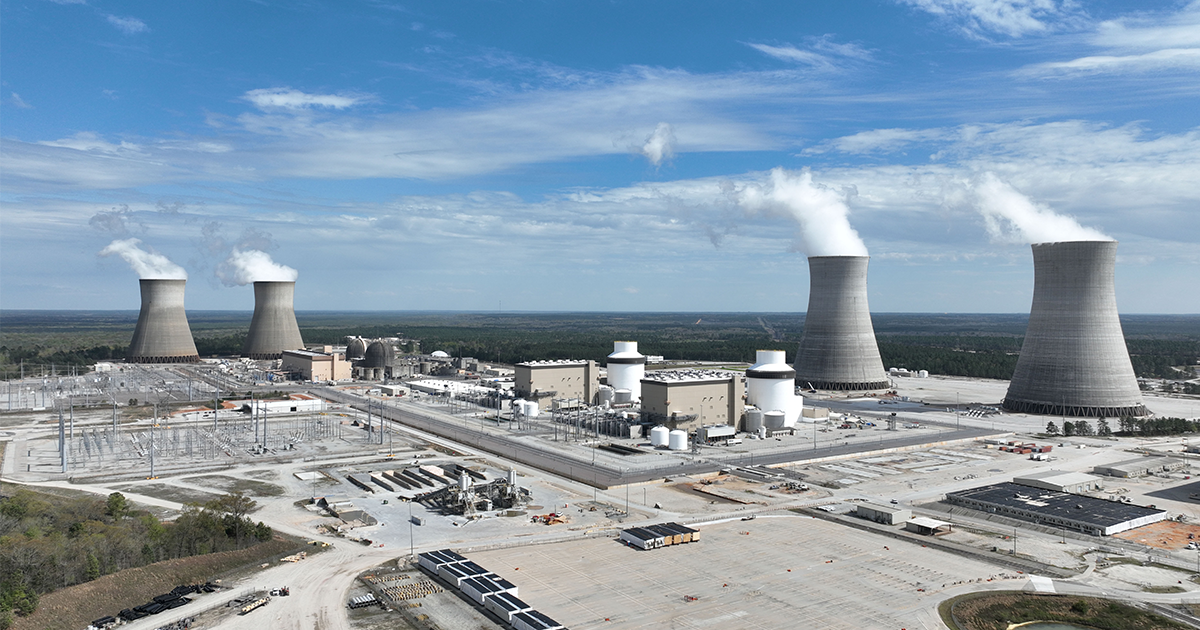
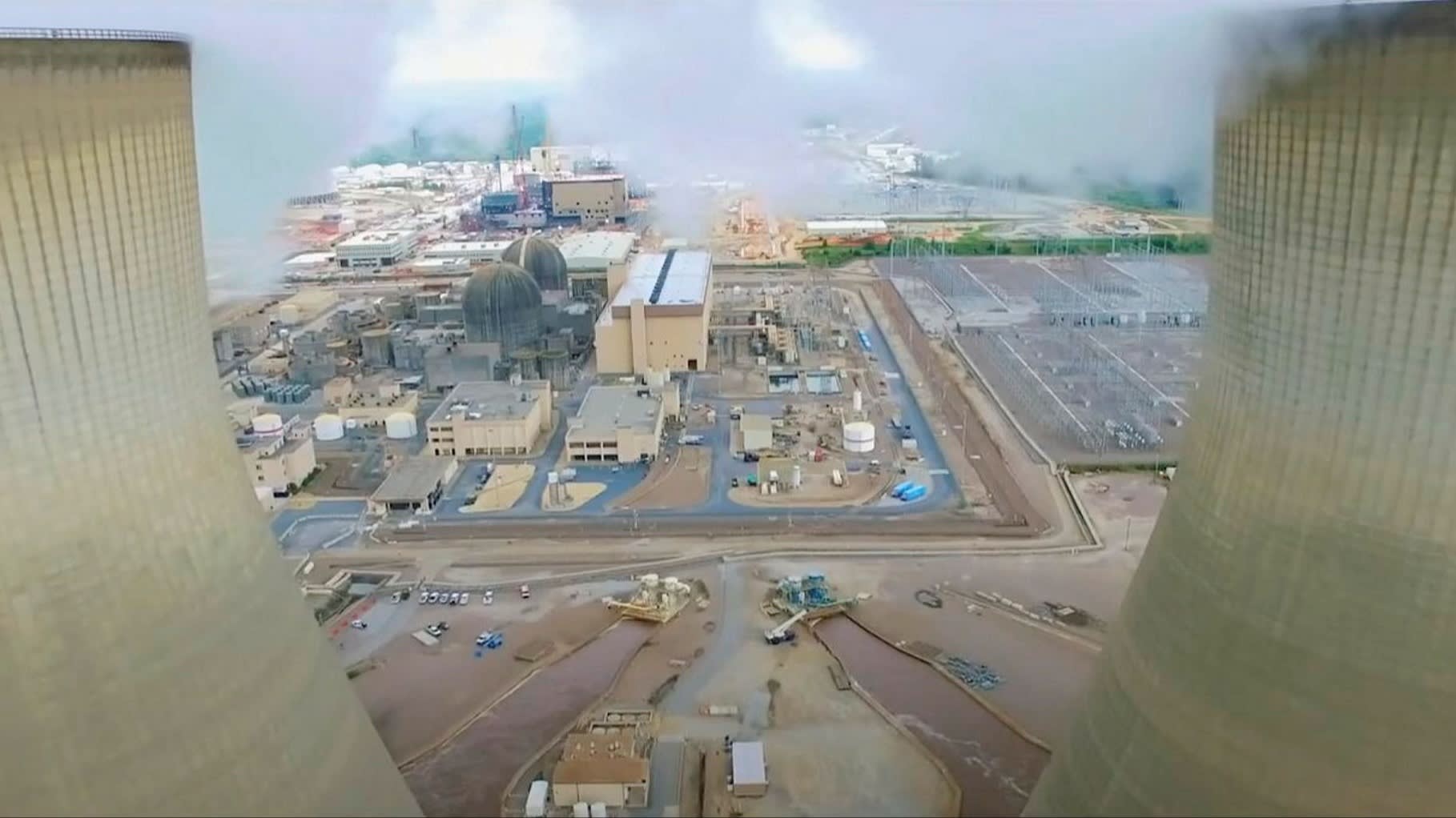
Trump's Nuclear Renaissance and the Forging of a New America: $75 Billion Plan for 10 Nuclear Reactors
With 2026 approaching fast, energy policy will be a defining issue that shapes not just the midterm elections, but America's path forward for generations.
"Dawn breaks over America's nuclear renaissance as construction workers forge the future of American energy independence. At sites across the nation, skilled tradesmen are building the foundation for centuries of prosperity—one steel beam and concrete pour at a time."
Tommy Williams' calloused hands guided the last steel beam into place as the sun crested the Georgia horizon.
Around him, the skeletal framework of America's newest nuclear power plant stretched toward the sky—a cathedral of American ingenuity rising from red clay soil.
"This is what winning looks like," Tommy grinned, adjusting his hard hat as the massive crane operators signaled completion of another milestone.
Six months ahead of schedule, under budget, and built with American steel by American workers. Trump's nuclear revolution wasn't just happening—it was exceeding every expectation.
⚡ The Executive Orders That Changed Everything
Tommy's story began with President Trump's four transformative nuclear executive orders signed on May 23, 2025—the shot heard 'round the energy world.
Quadrupling America's nuclear capacity from 100 to 400 gigawatts by 2050, with 10 large reactors breaking ground by 2030. But this wasn't just about kilowatts and construction—this was Trump's masterstroke against the oligarchy that had spent decades crippling America's productive capacity.
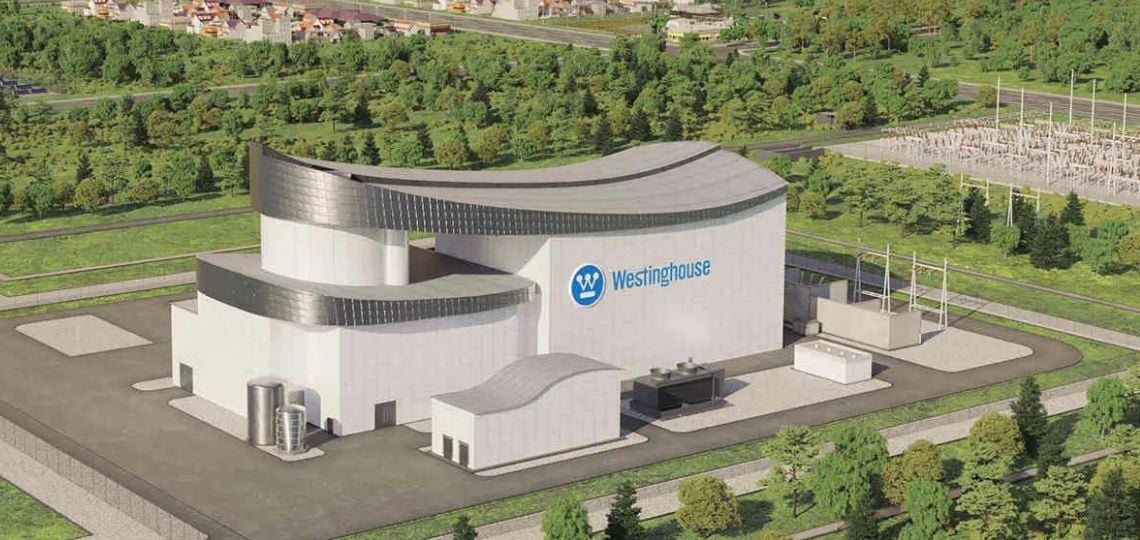
The Westinghouse announcement followed like thunder after lightning.
Their battle-tested AP1000 reactors would anchor America's atomic renaissance, backed by $75 billion in strategic investment.
Dan Sumner, Westinghouse's interim CEO, declared they were "uniquely positioned" to deliver all 10 reactors—American technology, American workers, American energy independence at unprecedented scale.
This was Trump's Agenda47 in action: the same visionary thinking that brought America back from the brink in his first term, now unleashing the productive fires of American genius that the British Empire and their Wall Street allies had spent generations trying to extinguish.
🏭 When America Builds, America Wins
As Tommy watched sparks fly from his crew's welding torches, he embodied Trump's core strategic insight: America wins when American workers build America's future.
These weren't just jobs—they were the reconstruction of America's physical economic platform, the foundation for centuries of prosperity. The genius of Trump's nuclear strategy was already becoming clear.
While green energy grifters promised pie-in-the-sky fantasies, Trump delivered atomic reality.
Each reactor would power half a million homes for 80 years, creating an energy abundance that would make American manufacturing globally dominant again. Steel, aluminum, petrochemicals, electronics—every industry that required massive, reliable power would flock back to American shores.
Critics squealed about costs, but Tommy knew better. His grandfather built the interstate highway system; his father worked on Apollo. Great nations build great things.
The $75 billion wasn't expense—it was investment in American supremacy for the next century. Every dollar would multiply through the economy as energy-intensive manufacturing returned home.
🚀 The Moment Everything Changed
Eighteen months into construction, Tommy stood before a crowd of international energy ministers touring his completed reactor.
The AP1000 had come online three months early, its revolutionary safety systems operational, its output already powering new aluminum smelters and semiconductor fabs across the Southeast. YES! This was American excellence conquering every obstacle.
The regulatory streamlining Trump promised had worked.
The domestic supply chains had delivered.
The workforce training programs had produced thousands of skilled nuclear technicians.
Most importantly, the American spirit—unleashed from decades of oligarchical suppression—had triumphed again.
🇺🇸 The American Renaissance Begins
Tommy's story is America's story: the Promethean fire of human creativity overcoming every attempt to constrain it.
Trump's nuclear renaissance represents more than energy policy—it's the restoration of America's founding principle that human beings, given freedom and purpose, can accomplish anything.
The 2026 midterms won't be a referendum on Trump's nuclear bet—they'll be a celebration of its success. As new reactors come online across America, as manufacturing jobs return by the millions, as energy abundance drives down costs for every family, voters will see the concrete proof of what the American System can accomplish.
Tommy Williams, welding steel and splitting atoms in the Georgia dawn, carries forward the legacy of Hamilton and Lincoln, of the transcontinental railroad and the Manhattan Project. He's not just building nuclear reactors—he's forging the physical economic foundation for America's next great century.
The oligarchy bet against America's productive genius. Trump bet on it. Tommy and millions like him are proving, one uranium pellet at a time, that in America, the fires of Prometheus burn eternal.
When Americans build America's future with American hands and American minds, we don't just succeed—we define what success means for the world.
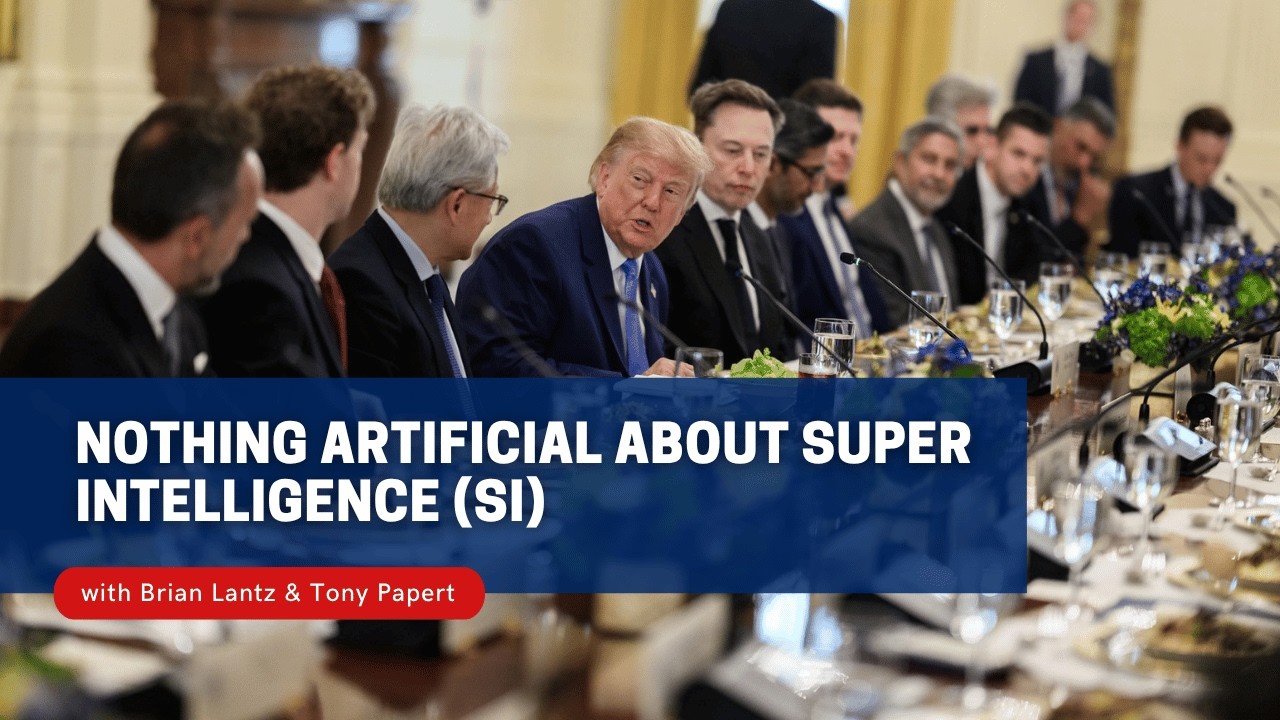
Why “super” and not “artificial”? Brian Lantz shows SI at work in an Arizona copper mine, aimed at a nuclear-powered Moon, and in service of new forms of human creativity. Watch the full class.
Bruce Director digs into your comments from the Aug 29 class: why the British System is inherently entropic, why no equation can predict a creative discovery, and how frontier science backs the American System’s idea of man.
Cable news is arguing eggs, beef, gas, and Iran. Bruce Director spent Saturday night on the real midterm question: American System vs. British System — two flavors of the same entropy, and nine weeks to pick a future.
Chatbots dominate the AI argument. Brian Lantz spent Saturday night on the other kind — robots, machine shops, and factory floors — and why manufacturing, not the data center, is where the country actually gets richer.